Skip to content

Environment Protection
reforestation-04 (plantation)

Climate change due to the environment degradation will cause average global temperatures to rise by more than 3°C, with adverse effects on all ecosystems. The world needs to transform its energy, industrial, food, agricultural, forestry and transport systems in order to limit the global temperature rise to less than 2°C, or even 1.5°C. 

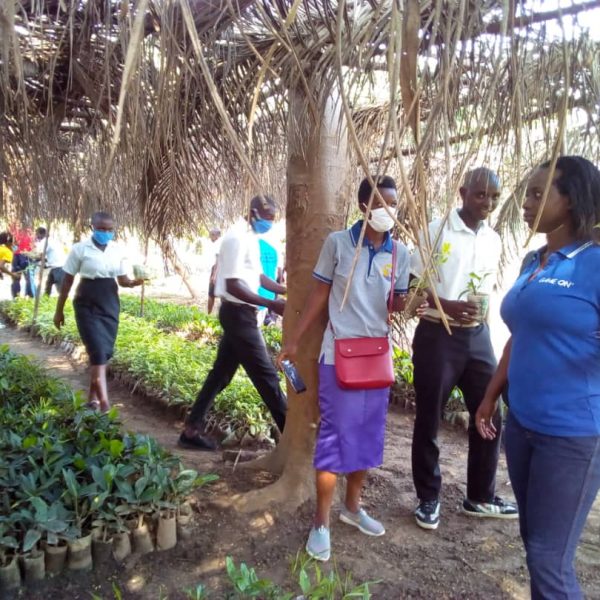
EdSF have been actively engaged in afforestation and reforestation in Burundi with a primary interest in the carbon sequestration, mitigation of the shortage of wood, protection of lives of rural people and boosting of the country’s economy by preventing natural hazards such as landslides, floods and droughts. The programme aligns with the national campaign “Ewe Burundi Urambaye” (Hey Burundi, you are clothed), which was launched in 2018. We are trying to create a new working nature, nature for the next generation in places where it has disappeared for decades or has been preserved only to a limited extent.

01.

Environment Protection

What we do?

Planting trees

their roots retain water in the ground;

Replanting wetlands and mangroves

they are natural water purifiers

Ensure source protection zones,

for example by demarcating them using trees and shrubs

Waste management

to reduce river pollution

Build small dams and barriers on hills

so that rainwater can penetrate the ground better

Protect riverbanks

because some human activity causes damage to riverbanks. As a result, a lot of sediment ends up in rivers, so that the costs of water purification go up

Protecting rainforests

by focusing on sustainable agriculture and alternative sources of income

Adapting to climate change with the help of nature

mangroves, wetlands and swamp areas protect communities from flooding.

Urban greening

this way cities cool down better and water can infiltrate into the ground.
Save our planet

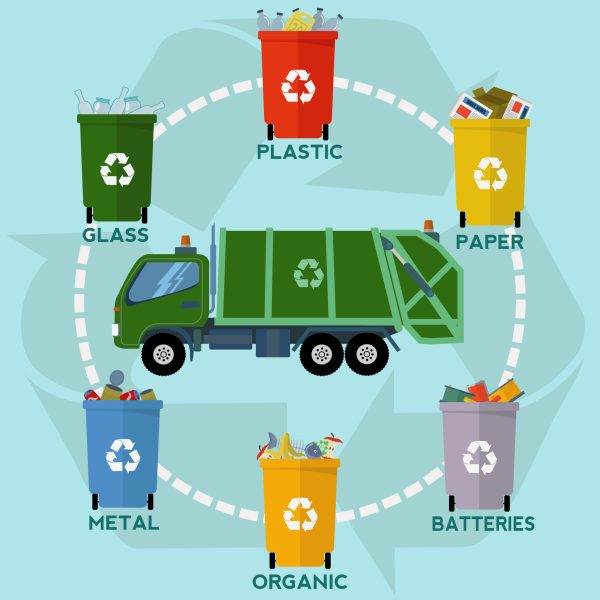
Eden Stream Foundation supports recycling projects as part of its mission to promote sustainable development, clean cities and environmental protection in Burundi. The programme assists in collecting and sorting waste materials, and liaising with industries converting those materials into raw material for new, reused, or restored products. The following are materials that the programme deals with Paper/Cardboard, Plastics, Glass, Aluminum, Batteries, Electronics, Waste Food, Lawn Materials, Household Hazardous Waste, Tires and Metal.

02.

Recycling projects

What we do?

Conduct awareness campaigns

Conduct awareness campaigns in professional and community settings on the impact of waste on groundwater and the environment.

Provide education of stakeholders

Provide education of stakeholders (focusing on those operating in collecting) on waste sorting and separation techniques.

Purchase and provision of bins

Purchase and provision of bins for sorting and separating waste (plastic, metal, batteries, glass, and organic food waste).

Organize recycling days

Organize recycling days, cleanups, or workshops to raise awareness and promote recycling.

Work with industries for follow up on proper food

Work with industries for follow up on proper food, kitchen, and animal waste transformation into organic fertilizers rich in plant nutrients from collection, through storage and treatment up to application (crops and aquaculture) to make sure organic fertilizers standards are met. Through this process it is possible to reduce the survival of pathogens and the persistence of antimicrobials and to prevent nutrient losses to a large extent under the site-specific circumstances.

Work with industries for follow up on managing

Work with industries for follow up on managing and transformation of used items, such as paper/cardboard, plastic, glass, aluminum, batteries, electronics, gardening materials, hazardous household waste, tires, metal, or clothing, into new, useful objects for proper recycling for creative reuse.
error: Content is protected !!
Scroll to Top